Baby s Dream: A Font to Make Your Brand Stand Out
When you’re building a business, every detail contributes to the story you tell your customers. Your brand’s voice isn’t just in your words; it’s in your visuals. One of the most powerful, yet often overlooked, visual tools is your choice of typeface. For entrepreneurs and small business owners, selecting a font that feels like your brand can transform your materials from generic to genuinely memorable. If your brand personality leans towards cute, quirky, and enchanting, the Baby s Dream font might be the perfect design asset for your toolkit.
The Personality of the Baby s Dream Typeface
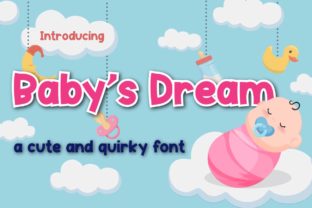
Baby s Dream is a display font characterized by its playful and charming aesthetic. Its letters carry a light-hearted, almost whimsical quality that feels both friendly and imaginative. This isn’t a harsh, rigid typeface; it’s one that suggests creativity, warmth, and a touch of magic. The overall mood is uplifting and approachable, making it an excellent fit for brands that want to connect with customers on an emotional, personal level. Its visual appeal lies in its ability to be a true standout—it draws the eye and creates an instant impression of something special and carefully crafted.
Putting Baby s Dream to Work in Your Business
The true test of a font isn’t just how it looks on a screen, but how it performs across the real-world touchpoints where customers meet your brand. Baby s Dream, as a display font, is designed for prominence. Its strength is in headlines, logos, and accent text where personality is paramount.
Consider a handmade candle business. Using Baby s Dream for the product name on your label instantly conveys a sense of care and uniqueness. For a boutique bakery, this font on your window signage or menu headers can make your offerings feel delightful and artisanal. An online shop selling children’s apparel could use Baby s Dream in its logo and website banners to communicate fun and quality. A life coach or wellness practitioner might use it on the cover of a digital workbook or as an accent in social media graphics to suggest a gentle, supportive journey.
Its applications are vast:
- Brand Identity: Logo design, business cards, and brand style guides.
- Packaging & Products: Product labels, packaging design, stickers, and hang tags.
- Marketing Materials: Flyers, posters, thank-you cards, and event announcements.
- Digital Presence: Website hero banners, email header graphics, and downloadable content.
- Social Media: Instagram post titles, Pinterest graphic text, and Facebook ad headlines.
In each case, Baby s Dream acts as a consistent visual cue. When customers see it on your packaging, then again on your Instagram, and later on your thank-you note, that repetition builds recognition. They begin to associate that specific, charming style with your business name and values.
Achieving Professionalism and Trust Through Consistency
For a small business, looking professional isn’t about being corporate; it’s about being coherent. A scattered visual identity, using different fonts on every material, can feel chaotic and untrustworthy. Choosing a primary display font like Baby s Dream and applying it strategically creates a harmonious brand experience. This consistency signals that you pay attention to details. It tells customers that you have a clear vision for your brand, which in turn builds credibility. When your café’s menu, your loyalty card, and your takeout box all share the same distinctive typography, the entire experience feels deliberate and reliable.
Readability in Practical Settings
Because Baby s Dream is a decorative display font, its best use is for larger text where its personality can shine without sacrificing legibility. It’s ideal for headlines on your website, primary text on product packaging, and logos. For longer paragraphs of text, like the description on your website or the terms on your menu, you should pair it with a more readable font. On very small surfaces, like tiny product tags or mobile screen thumbnails, consider using it sparingly for a single, impactful word rather than a full sentence. Testing it on your actual materials—printing a label mock-up or viewing a graphic on your phone—is a crucial step before full commitment.
Practical Tips for Using Baby s Dream
Before you integrate Baby s Dream into your brand’s core, start small. Use it in a single campaign, like a series of social media posts or a new product launch label. See how it feels and how your audience responds. This font, with its quirky charm, will resonate strongly with certain markets—like those in handmade goods, children’s products, creative services, and lifestyle brands—and might be less suited for highly technical or formal industries.
Simple and Effective Font Pairing
To create a balanced and functional design system, pair Baby s Dream with a neutral, highly readable font. A clean, modern sans serif font for body text will provide a clear contrast, allowing Baby s Dream to be the expressive star while ensuring all your information is easy to read. A simple serif font could also work for a slightly more classic, yet still warm, combination. The key is to let your display font be the personality, supported by a typeface that does the quiet, essential work of communication.
A Note on Commercial Licensing
As a business owner, it’s vital to ensure your design assets are used legally. Before using Baby s Dream on any physical products for sale (like packaging or merchandise), in client work, or in digital templates you sell, verify its commercial font licensing. Most font marketplaces clearly state whether a license covers commercial use, print-on-demand, or embedding in software. Securing the proper license protects your business and respects the work of the typeface designer.
Choosing a typeface is a strategic business decision. Baby s Dream offers a unique blend of enchantment and clarity that can help a creative business establish a distinct and cohesive visual voice. By applying it consistently across your customer-facing materials, you turn a cute and quirky font into a powerful tool for building a recognizable and trustworthy brand.